How Is Urinary Incontinence Linked To Menopause?
The Influence Of Hormonal Agent Treatment On Urinary System Incontinence
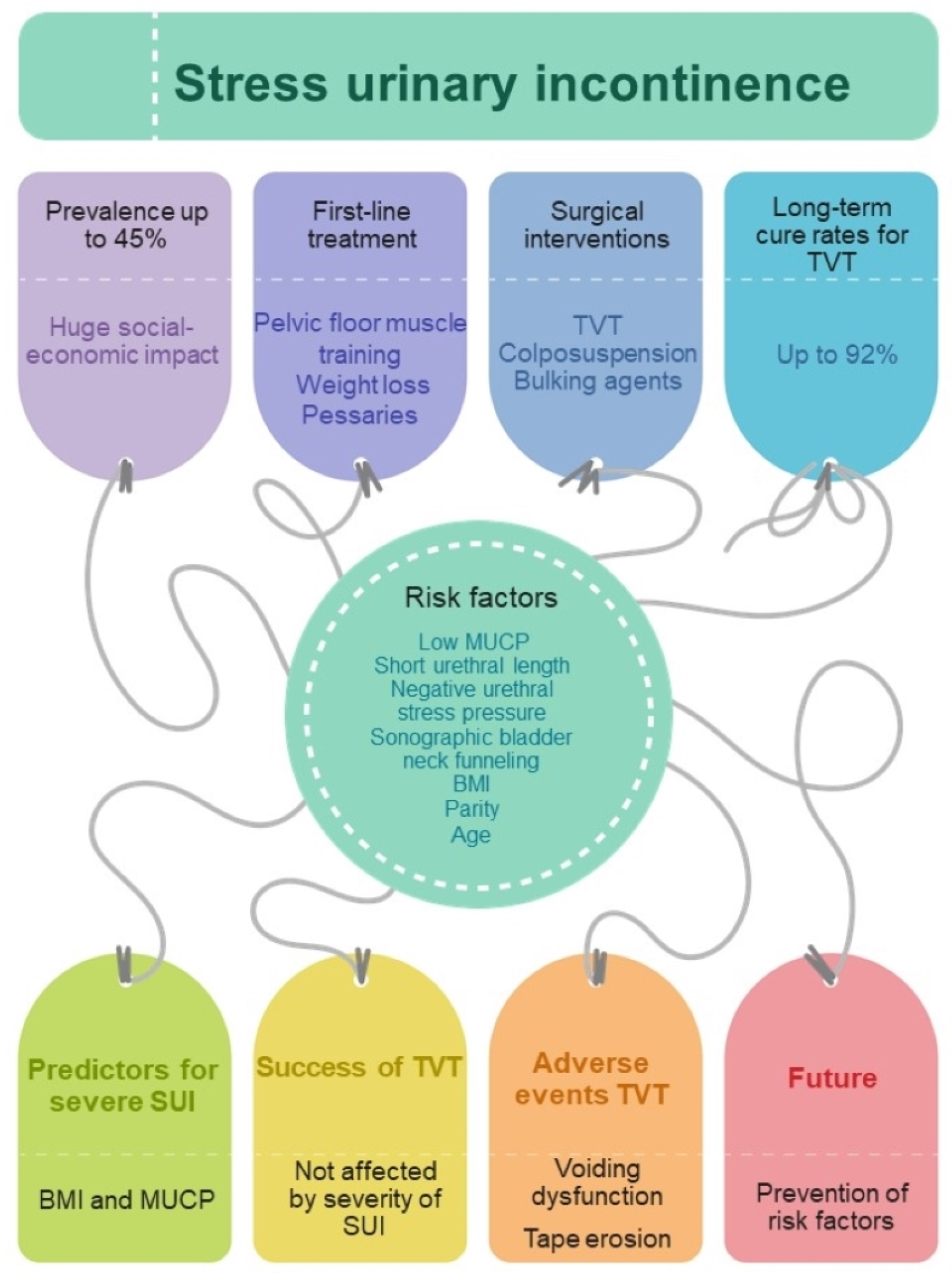
Estrogen likewise plays a rather huge function in urinary system tract health and wellness and feature. Urinary system urinary incontinence can show up in different types during menopause, consisting of tension urinary incontinence, necessity urinary incontinence, or mixed urinary system incontinence as the most https://chanceddva015.readspirex.com/posts/assume-age-is-the-root-cause-of-bladder-troubles-not-necessarily usual. Lowering estrogen degrees are in charge of essentially all of those not-so-fun perimenopause and postmenopause symptoms-- consisting of changes to our bladder. In menopause, ladies's ovaries quit producing estrogen, consequently deteriorating their body's natural defenses versus UTIs. Urinary system urinary incontinence, or spontaneous bladder leakage, is an issue that affects countless Americans. While it might take place to any individual, this form of urinary incontinence is most common in older adults, and women are more probable to experience it than males.Estrogen plays a critical duty in maintaining the wellness of your urinary system. Decreased estrogen levels throughout menopause can bring about thinning of the genital walls and weakening of the pelvic flooring muscle mass, both of which support your bladder and urethra. The pelvic flooring muscles assist sustain the bladder, uterus, and digestive tract while likewise aiding control pee circulation. Hormonal changes can damage these muscles and degeneration connective cells that sustain them with time. When the pelvic flooring comes to be weak, the bladder and urethra might not receive enough assistance, raising the likelihood of stress urinary incontinence. Pelvic flooring physical treatment is a specific treatment that re-trains the pelvic floor muscular tissues (that aid control your bladder) to work properly.

From testing and avoidance to therapy and healing, our health experts will be there for you. Our team of committed doctors has actually been serving homeowners of Nebraska, Iowa, and South Dakota for more than 25 years. The attentive, thoughtful medical professionals, companies, and personnel at UroHealth Partners are committed to offering cutting-edge, quality person treatment in our cutting edge facility. Incorporating hormone degree tests with urological examinations provides a clear image of the Nurse continence advisor hidden problems.
Urinary incontinence can occur when the bladder muscle mass instantly tighten up and the sphincter muscular tissues are not strong enough to squeeze the urethra shut. This triggers an unexpected, strong urge to urinate that you may not be able to manage. Pressure triggered by chuckling, sneezing, or exercising can cause you to leakage pee.- Our material is developed with the support of certified professionals and based on well-established study from trusted clinical and clinical organizations.
- At Noom, we're dedicated to supplying health and wellness details that's grounded in dependable scientific research and expert review.
- While this condition is unusual, influencing just about 0.5% of individuals, ladies over the age of 50, especially those that have had a number of pregnancies, are most likely to ...
Is Bladder Leakage An Indication Of Perimenopause?
Certain foods and drinks can add to urinary system incontinence by irritating the bladder, making you need to clear it more frequently. Caffeine and alcohol should be stayed clear of, and sugar, zesty foods, or acidic foods are known to create bladder irritability too. Every person is various so what might be a trouble for some may not influence others. Experiment with a bladder diary to find out if what you're consuming seems to be contributing to your incontinence. Your deteriorated pelvic flooring makes it tougher to manage your bladder, particularly when tension is positioned upon it (as mentioned over).
There are numerous various types of urinary incontinence, however one of the most typical in ladies consist of stress urinary incontinence, urge incontinence, and combined incontinence. The two most typical types of urinary incontinence that influence women are anxiety incontinence and advise urinary incontinence, additionally called over active bladder. This may be due to the fact that pregnancy, childbirth, and menopause might make urinary incontinence most likely. Urinary incontinence is not a typical component of aging, and it can be dealt with. When you remain in your perimenopausal stage, estrogen degrees lower. This decrease in hormones triggers urogenital tissues to end up being stiffer and thinner, deteriorating your pelvic floor muscle mass.Therapies For Bladder Leaks During Perimenopause
Pelvic organ prolapse (such as dropped bladder, uterine prolapse, or rectocele) can add to incontinence. Integrating targeted workouts can assist boost signs, particularly when done consistently and properly. Genital atrophy goes by many names, consisting of genitourinary syndrome of menopause and atrophic vaginitis. Despite the name, vaginal atrophy happens when the wall surfaces of the vagina ended up being slim, completely dry, and irritated. Your medical professional may advise a variety of different treatment alternatives depending upon the intensity of your problem, and what sort of incontinence you have.This hormonal agent aids loosen up smooth muscle mass tissue throughout the body, including parts of the urinary system system. Throughout times of hormonal fluctuation, such as pregnancy or the menstruation, progesterone modifications may alter bladder level of sensitivity and contribute to feelings of seriousness or pressure. Hormone treatment, particularly localized vaginal estrogen, might assist by reinforcing the urethral cellular lining and enhancing blood circulation. Some ladies experience lowered signs and symptoms of desire and stress incontinence with hormone-based therapies.
In some cases, an urine analysis or biopsy is required to rule out infections or various other causes. Adrenal hormones, such as cortisol and adrenaline, reply to anxiety and impact urinary system function by impacting nerve signals to the bladder. Identifying the link between hormonal modifications and urological health allows for far better avoidance and monitoring of associated problems. Insight into hormone effects gives a more clear course to maintaining general urinary system health and wellness throughout life. Get expert care for urinary incontinence and pelvic flooring conditions.