Urinary Incontinence After Delivery There Are Remedies: Alternative Ob Gyn & Midwifery: Licensed Nurse Midwives
Structured-content This can ultimately bring about dropping of the pelvic organs (called pelvic organ prolapse) or urinary incontinence. Urinary incontinence (UI) is the issue of spontaneous loss of pee [1] The major subtypes of UI are tension (S) UI, urgency (U) UI and mixed (M) UI. Maternity and genital shipment are well-documented risk aspects for creating UI [3-- 5] If injury results from a shipment, the weakened assistance of the bladder, rectum or uterus might trigger dropping of these organs right into the vagina. Dropping of any of these organs is called pelvic leisure, or prolapse. The muscles and sustaining tissues that are over the vaginal canal which hold the bladder up are compromised or torn, allowing the bladder to drop down right into the vaginal canal. This protruding of the bladder right into the vagina is called bladder prolapse, or a cystocele (see fig 1). Urinary system incontinence happens when you unwillingly launch urine. Some ladies handle this fragile issue while pregnant or as they age. Some ladies also have what's called "anxiety urinary incontinence," which is a type of incontinence that can be experienced during and after pregnancy. In this instance, the bladder sphincter has shed some function because of the continuous increase in stress, making it challenging to https://garrettohmr625.wpsuo.com/pointers-for-managing-desire-urinary-incontinence-over-active-bladder keep in pee. Labor entails prolonged, often powerful, pushing and birthing down. Stress and disappointment pester brand-new mommies unable to go back to tasks they enjoy without stressing over leakages or prolapse. However seeking specialist advice gets you back on track - very first correcting dysfunction, after that slowly resuming fuller function without fear. Helpful care offers nerve and sentence to move Ochoa syndrome much better which transfers into a favorable life overview.
- Your urethra is a tube that connects to your bladder, and it enables pee to flow out.
- The farther down the baby's head goes into the hips, the greater the stress against these muscular tissues and hidden nerves.
- Bother of UI is heterogeneously analyzed and is reported as moderate to moderate.
- Some research studies show modifications in the feature of these nerves in more than half of ladies adhering to vaginal shipment.
- Here's what you require to learn about the signs and symptoms of postpartum urinary incontinence and how therapy can assist you feel like yourself once more.
What Is Urinary Incontinence?
What does postpartum urinary incontinence seem like?
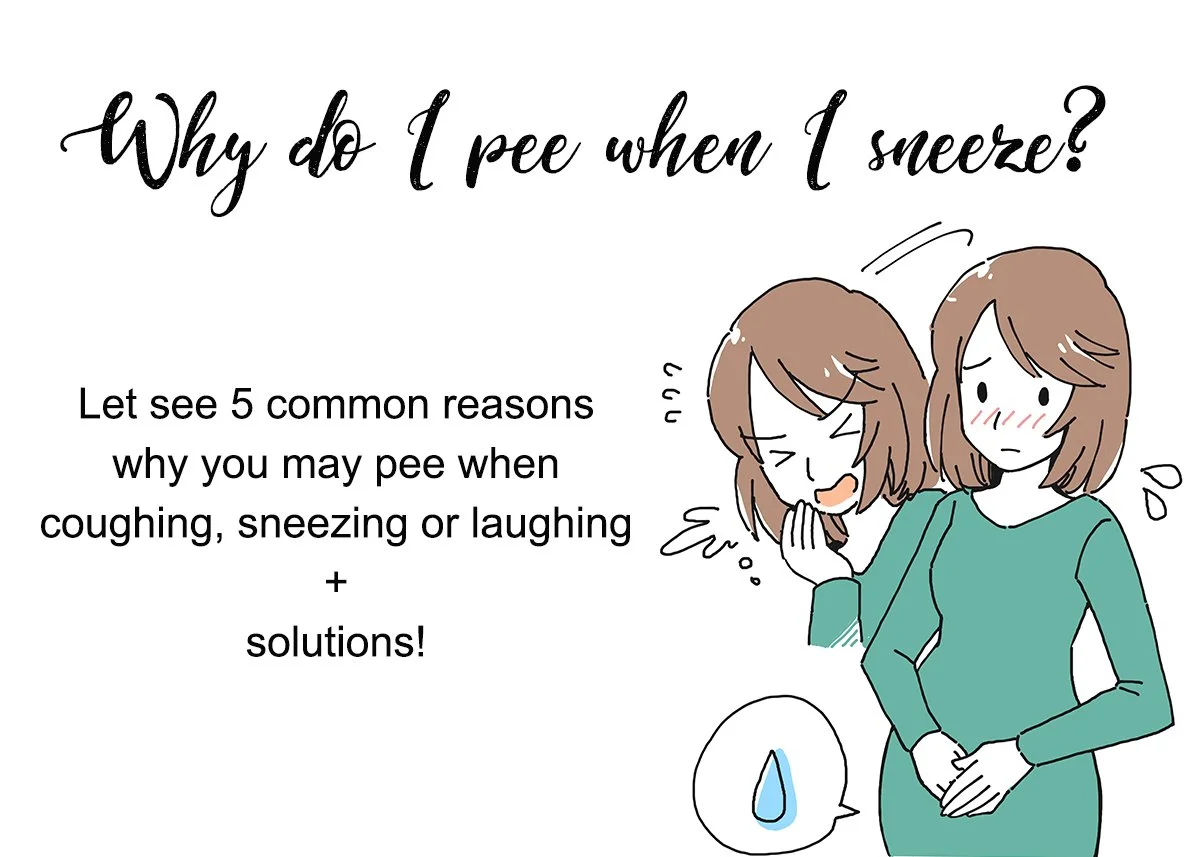
Around 1 in 3 ladies experience urinary incontinence after having an infant. After delivering, you could leak pee when you laugh, coughing, sneeze, lift something or exercise. Pregnancy hormones, the weight of your womb and having a vaginal birth can all extend the pelvic floor muscles that support your bladder.
Can Kegel Workouts While Pregnant Prevent Urinary Incontinence?
Variances were identified and fixed via conversation consisting of a 3rd writer (BB) if necessary. There are numerous vital aspects to discovering the appropriate clinical carrier. The most important element is to ask about the medical professional's point of view on one of the most important worries.Try Timed Invalidating
Actually, as numerous as four in 10 females experience urinary incontinence during pregnancy, and some brand-new mommies continue having this problem after delivering. Together with Kegels, a pelvic flooring physiotherapist can lead you with more customized workouts that target your pelvic muscular tissues efficiently and securely. They may additionally recommend techniques like biofeedback to help enhance muscle mass sychronisation. The stress and extending reduce the all-natural support for your bladder, which makes you more likely to leakage pee when you cough, sneeze, and even laugh. Others might just experience postpartum incontinence just throughout the night, commonly called nighttime urinary incontinence. Actually, urinary system incontinence during the first couple of months after giving birth is common; research recommends it impacts regarding a 3rd of females. Despite that, numerous females are self-conscious to talk about their symptoms or unwilling to seek aid. Pelvic flooring physical treatment is a specialized, evidence-based therapy that goes beyond fundamental exercises and is very reliable for postpartum urinary incontinence. There may also be issues with the pudendal nerve, which is accountable for controlling the pelvic flooring. If this is what causes postpartum urinary incontinence, your doctor will certainly help you find the most effective methods to regain nerve feature to manage your bladder.